Did You Know Your Dog’s (and Cat’s) Skin Is Thinner Than Yours? Why Skin Protection Matters During Recovery
, by Michelle Ingram
, by Michelle Ingram
Many pet owners are surprised to learn that both dogs and cats have much thinner skin than humans. This makes their skin barrier more delicate, more sensitive and more vulnerable to irritation and injury.
Understanding this difference is especially important during recovery after surgery, including spaying and neutering, when the skin needs extra protection to heal properly.
The outer layer of skin in dogs and cats is thinner and more delicate than in humans. This makes their skin barrier more sensitive and more vulnerable to irritation, injury and post-surgical discomfort.
In simple terms, human skin is generally more robust, while pet skin is more easily affected by everyday friction, scratching and wound healing.
This means pet skin is more sensitive and can be affected more easily by:
While fur provides some protection, it cannot fully shield the skin once it is exposed or healing.
The skin is the body’s first line of defence, helping to protect against bacteria, moisture loss and environmental irritants.
When the skin becomes irritated or damaged, healing can be slowed if the area is repeatedly disturbed. This is especially common after veterinary surgery, when pets instinctively try to lick or investigate stitches.
Signs of skin irritation or post-surgery discomfort may include:
Regular checks and gentle grooming can help spot issues early and support better recovery outcomes.
After procedures such as spaying and neutering, protecting the surgical site is essential to support clean, uncomplicated healing.
Both dogs and cats may try to lick or disturb stitches, especially in the first few days after surgery. Without protection, this can increase the risk of:
A protective barrier helps keep the area covered and reduces interference, letting the body heal more effectively.
Traditional recovery collars (often called “the cone of shame”) have long been used to stop pets from reaching wounds. While effective, many pets find them stressful or restrictive.
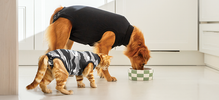
Modern alternatives such as Suitical Recovery Suits offer a more comfortable approach to post-surgery care for both dogs and cats.
These recovery garments are designed to:
For dogs recovering from spaying or castration, recovery suits are suitable for both procedures, as they provide full coverage of the abdominal and groin areas while allowing comfortable movement.
For cats recovering from spaying, recovery suits can be a helpful alternative to the cone, offering protection while still allowing normal behaviour such as eating, resting and using the litter tray.
However, for male cats recovering from castration (neutering), recovery suits are often less reliable, as cats may still be able to access the surgical area. In these cases, veterinarians will recommend a cone or another form of protection depending on the individual situation.
Suitical is widely recognised as an early pioneer in modern pet recovery wear, helping to develop more comfortable alternatives to traditional cones for both dogs and cats.

Because both dogs and cats have thinner, more sensitive skin than humans, they benefit from thoughtful care and protection.
Whether it’s everyday grooming, monitoring for changes, or protecting stitches after spay, neuter or other surgery, small steps can make a big difference to comfort and recovery.
Providing the right protection during healing can help reduce complications, support cleaner recovery and keep pets more comfortable throughout the process.